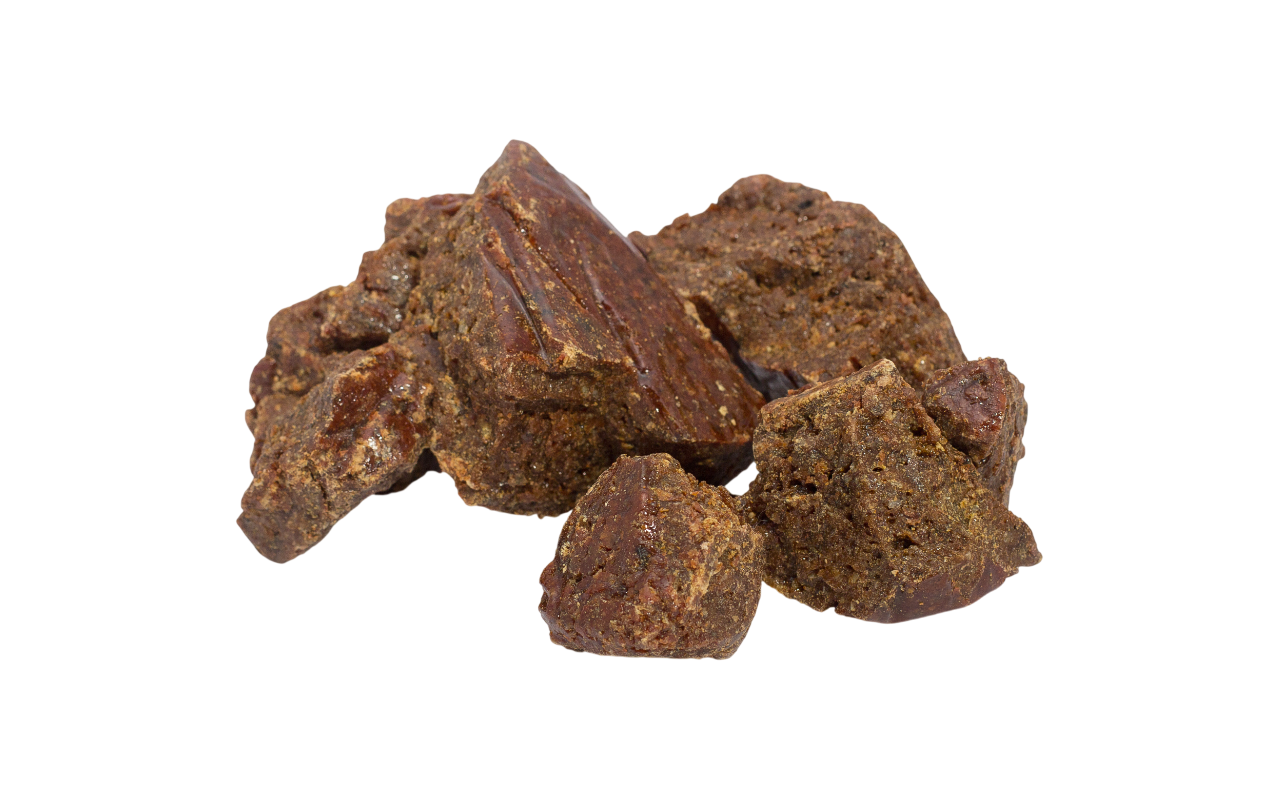
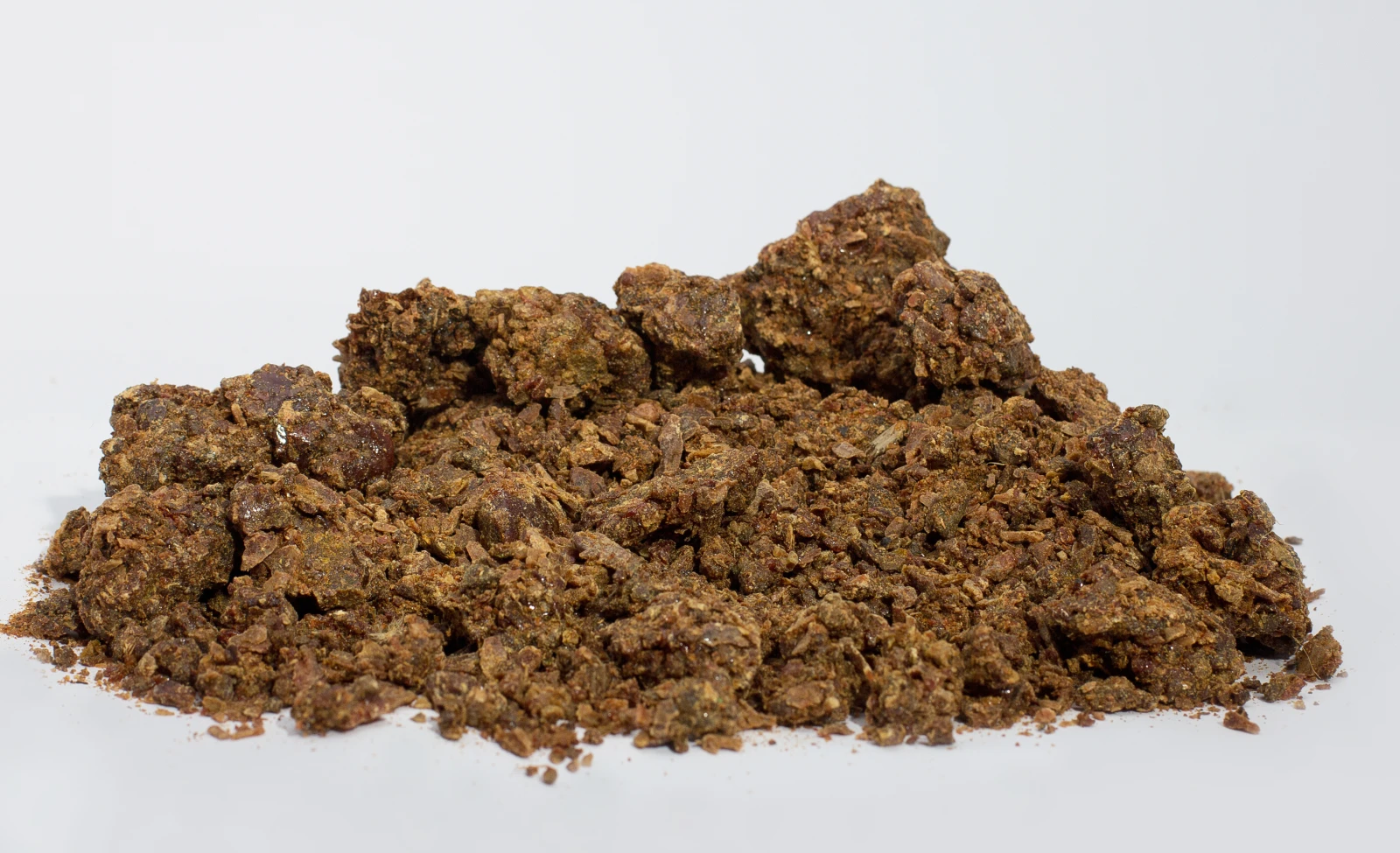
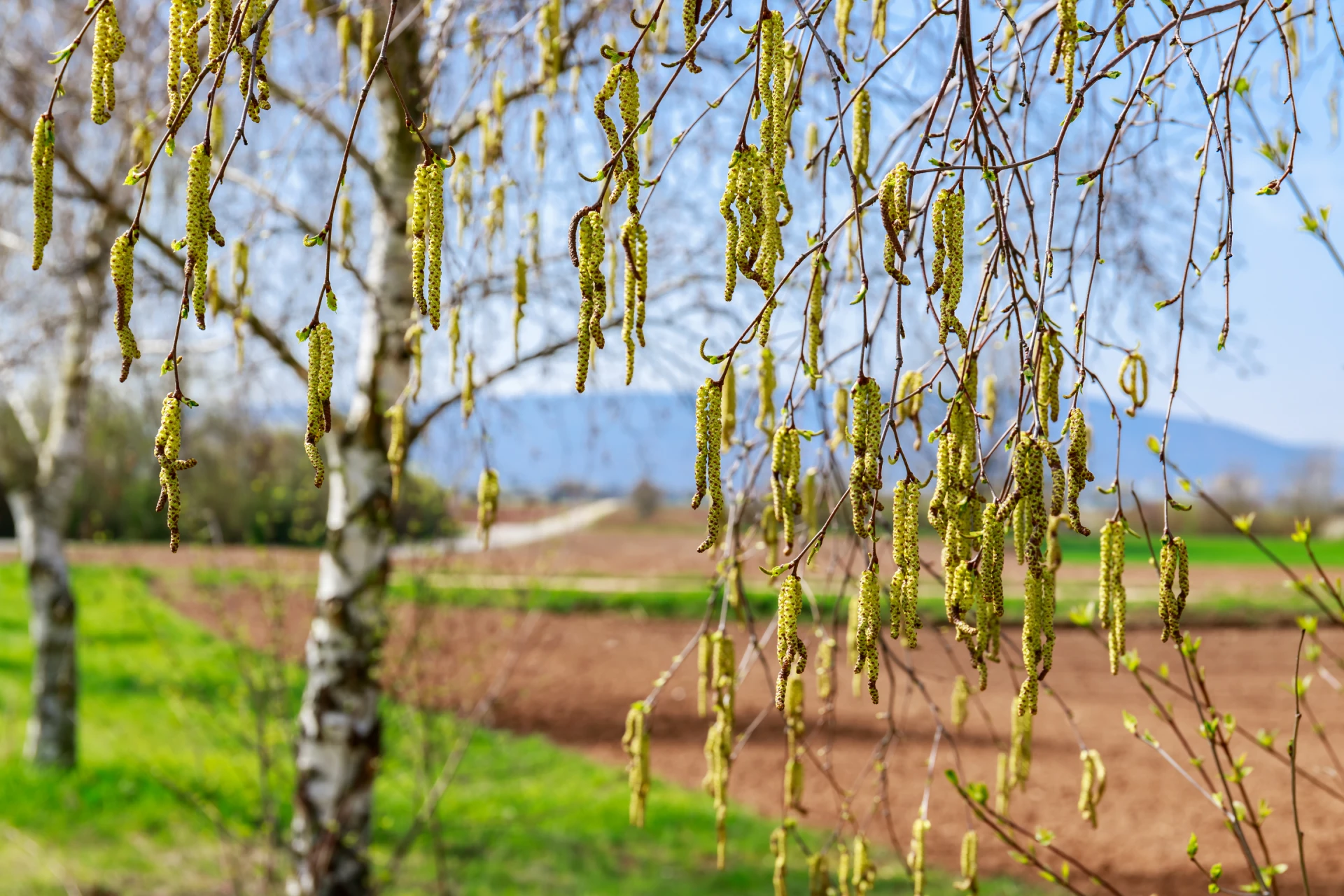
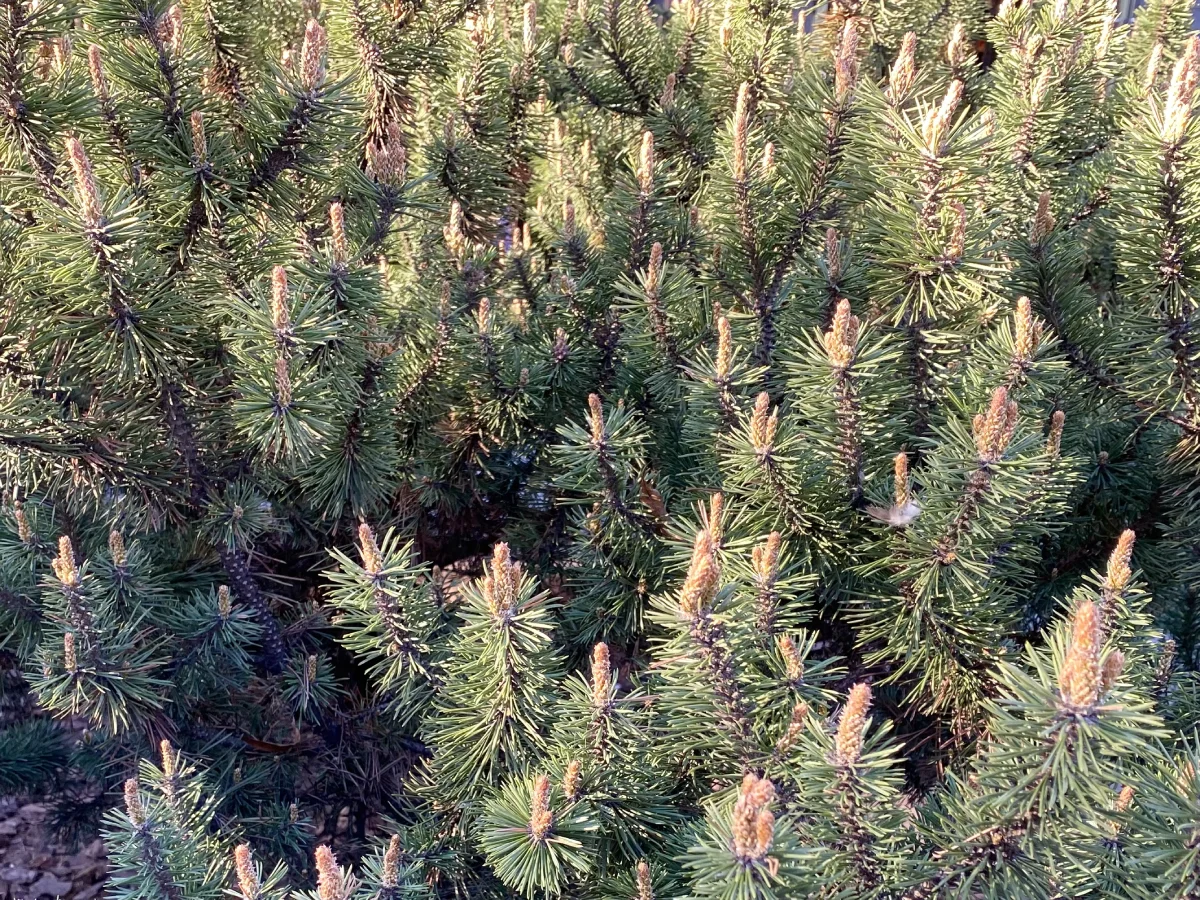
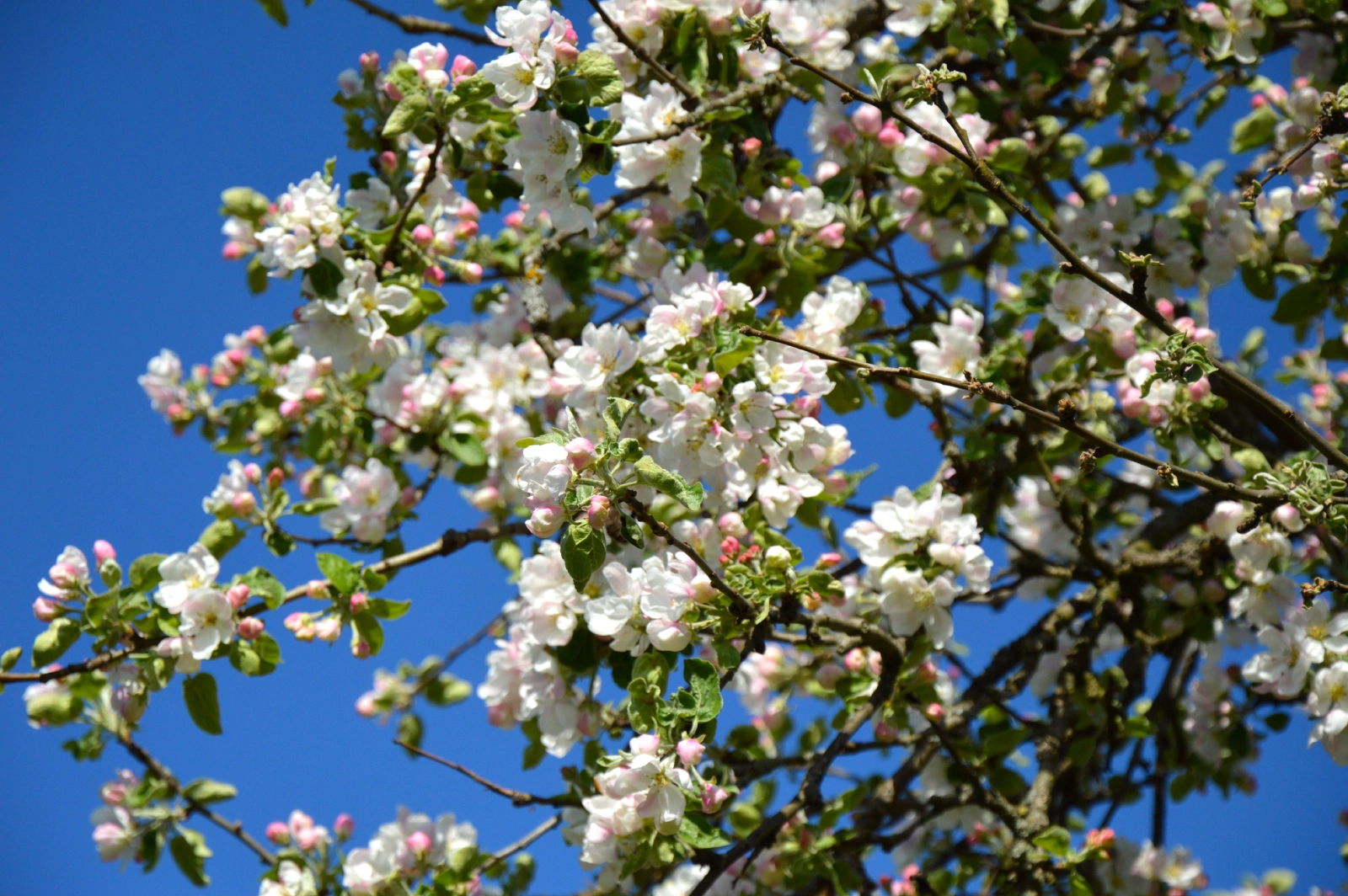
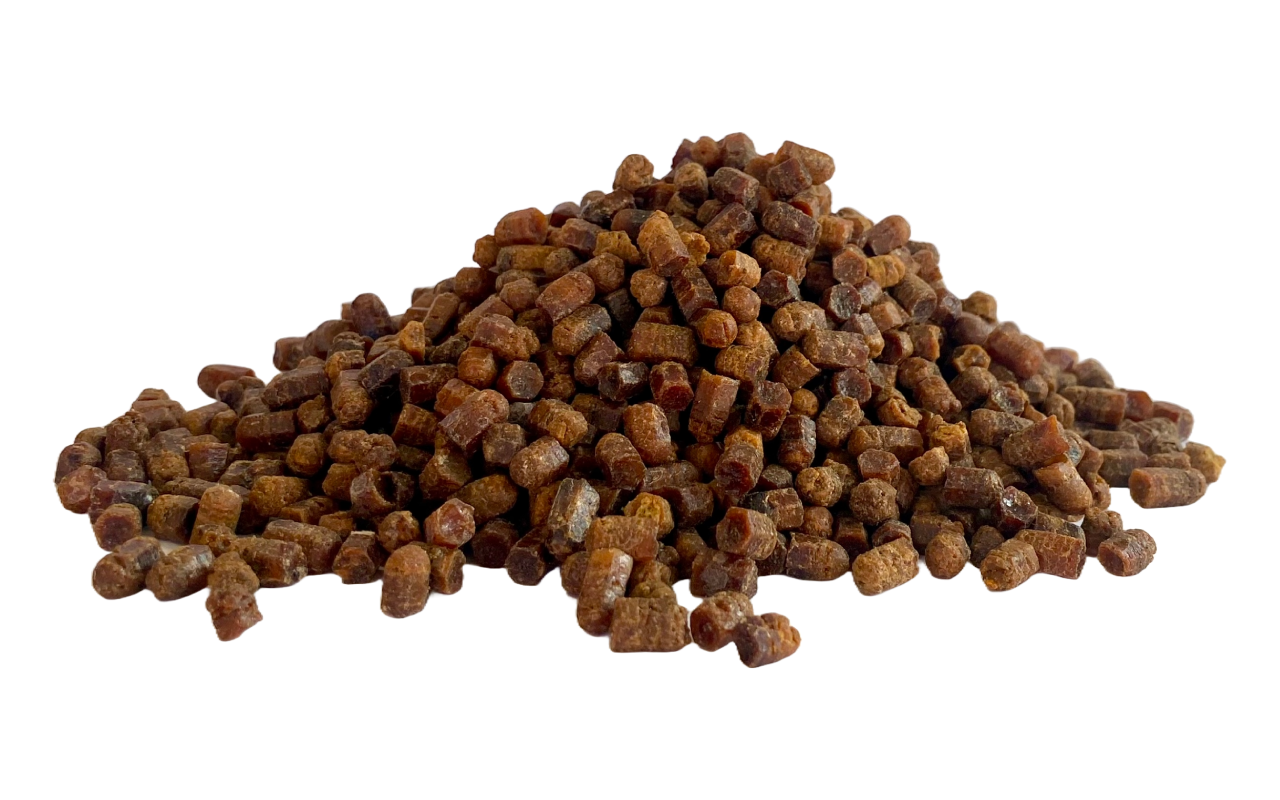
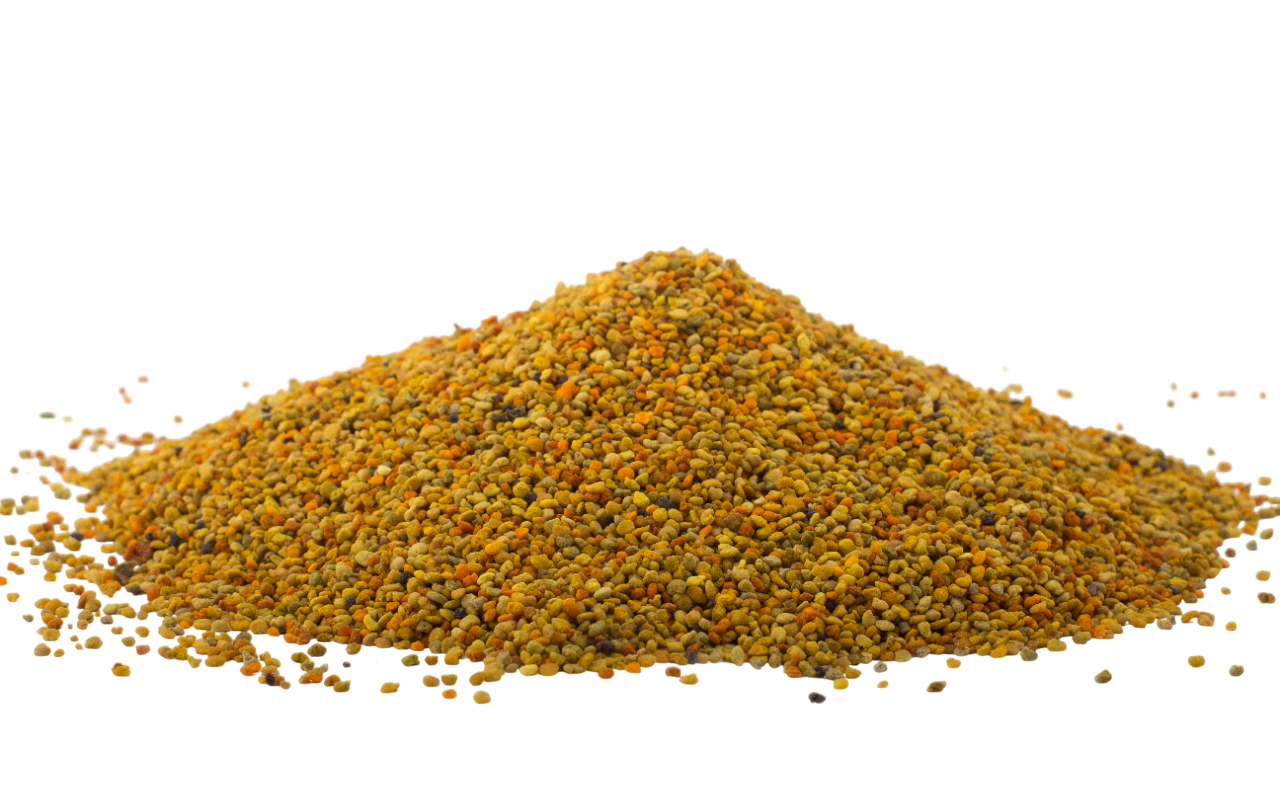
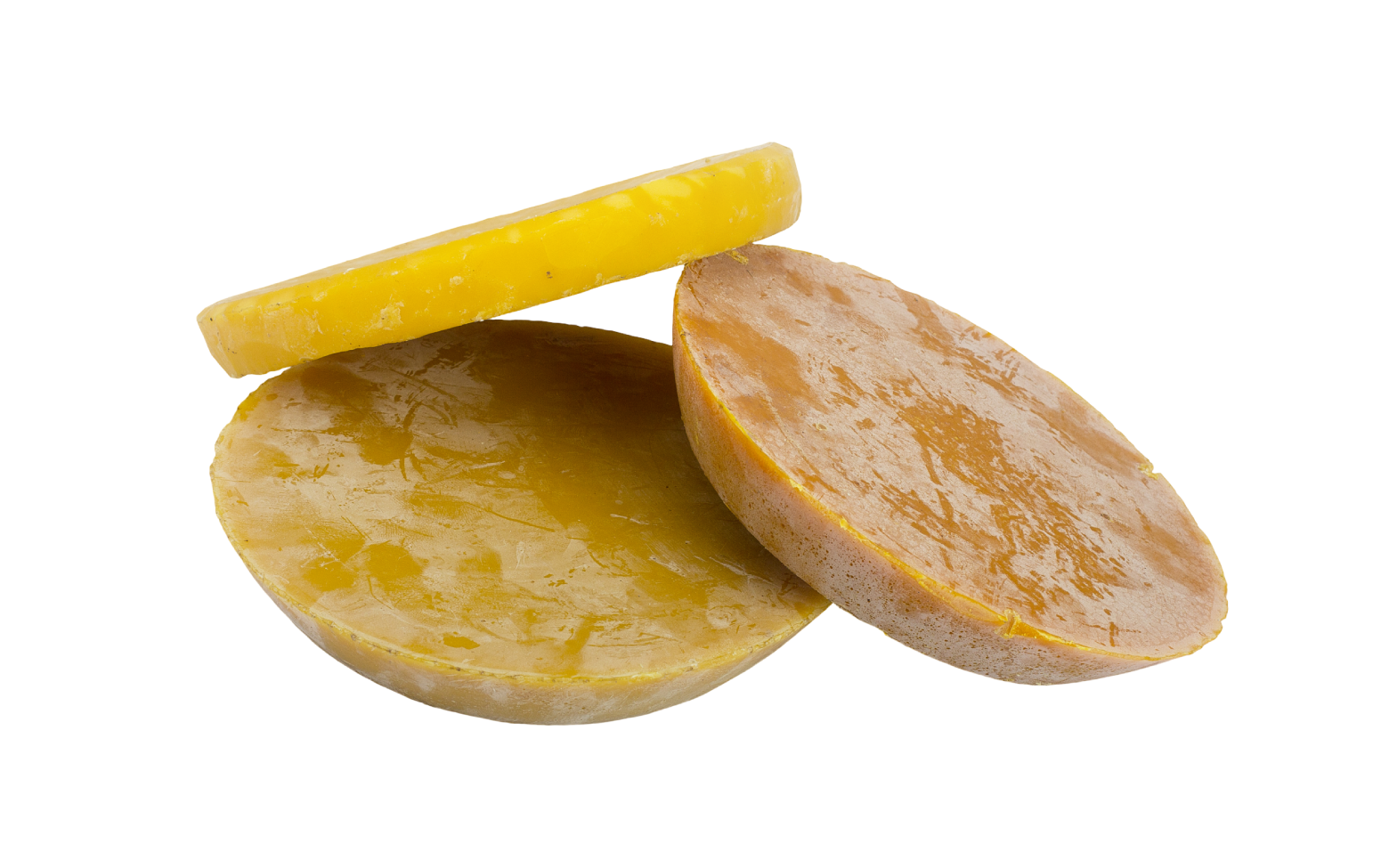
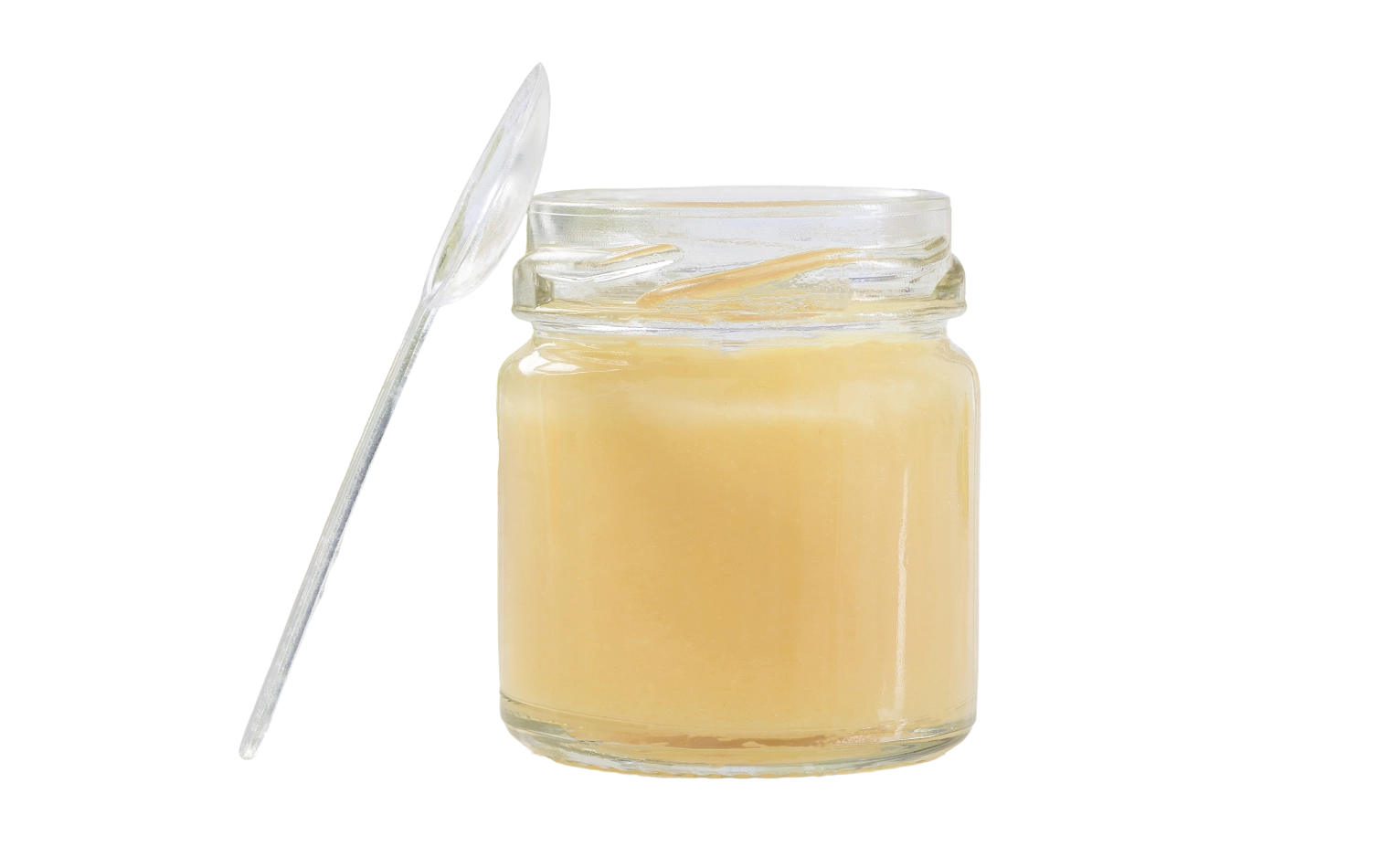
Propolis is a natural remedy created by bees. It is a complex mixture of biologically active compounds that bees collect from various trees. Bees gather resins from leaf buds and bark of certain trees, then combine them with small amounts of beeswax, honey, and enzymes produced in their bodies.

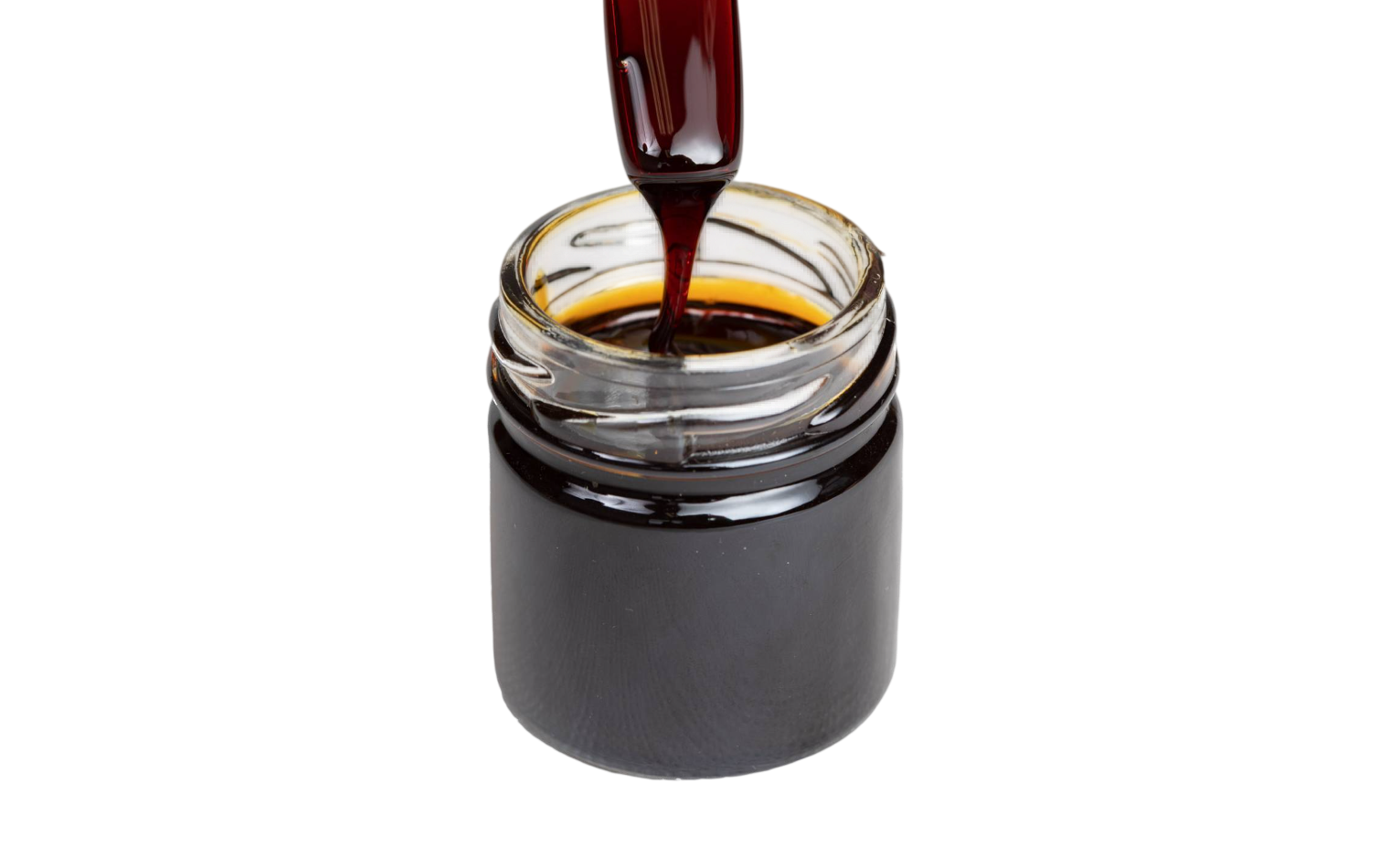
Depending on its age, Baltic propolis can vary in colour from yellowish tones to dark brown, becoming darker over time.

Disinfection and protection for a hive
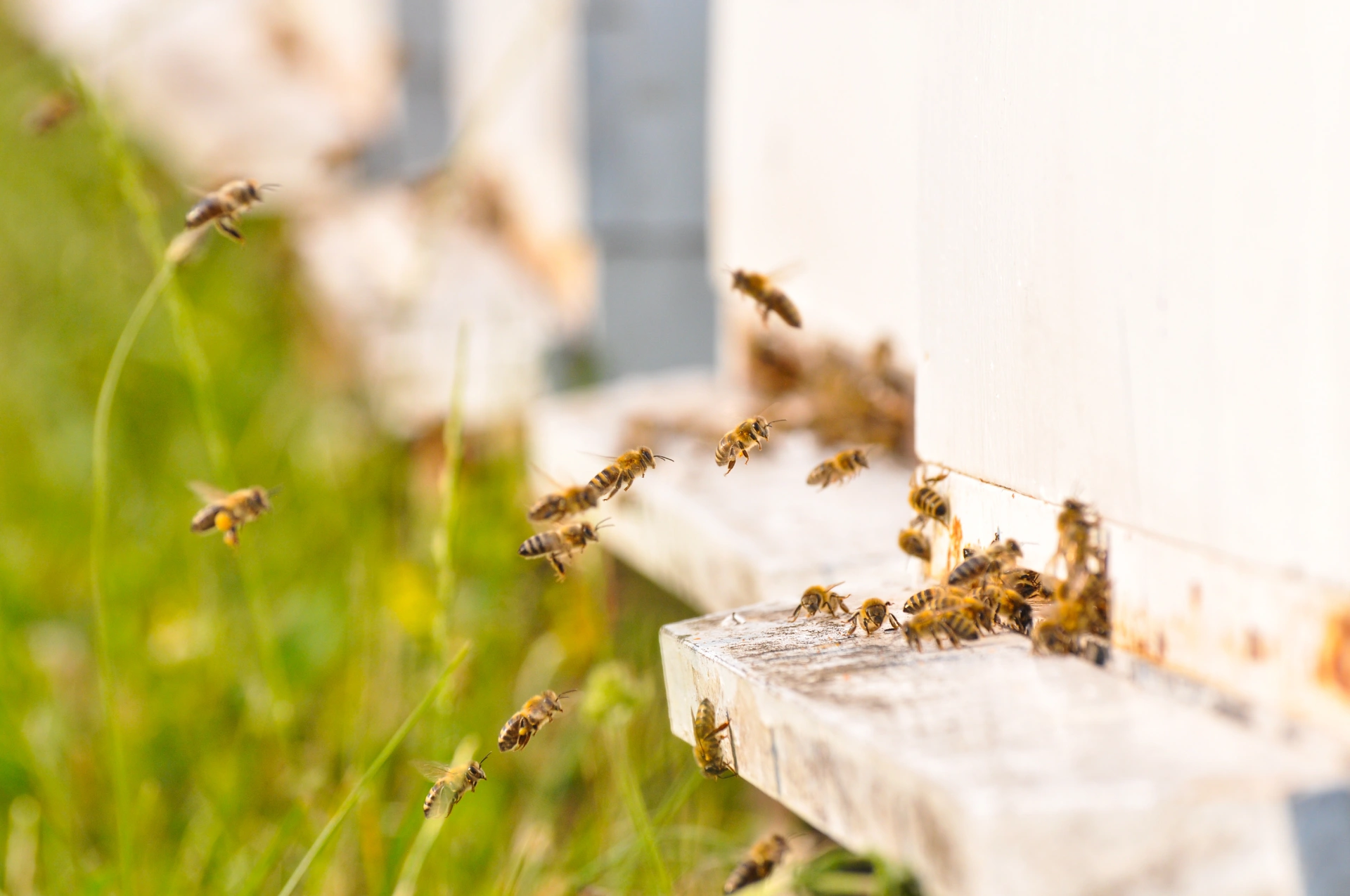
Within the bee colony, propolis plays an essential role in the hive’s natural defence system. Bees use it to coat the interior of the hive, including the honeycomb cells where the queen lays eggs. Bees use propolis to seal cracks and unwanted openings in the hive, as well as, the hive entrance, creating a natural “protective barrier” that all bees pass through when entering or leaving. The term “propolis” comes from the Greek language and means “city defence”.
Rich in bioactive compounds
Propolis has a distinctive composition that sets it apart from all other natural substances and products synthesized in chemical laboratories. Health experts estimate that it contains more than 300 biologically active compounds. In addition, propolis is a rich source of vitamins such as B1, B2, B6, C, and E, as well as essential minerals including magnesium, calcium, potassium, sodium, copper, zinc, manganese and iron. When stored properly, propolis can preserve its valuable healing properties for over 10 years.


Nature’s historic remedy
Propolis is one of the oldest natural remedies and has long been valued for supporting the body’s defences. Ancient civilizations used it for medicinal purposes: the Greeks applied propolis to treat abscesses and inflammations, the Assyrians used it on wounds and swollen areas to promote healing and fight infections, and the Egyptians even used propolis in embalming mummies, considering it sacred. Propolis was also recognized in official medical texts in London as early as the 17th century.
Over 100 health benefits
Health experts highlight that bee products are highly effective because the human body can easily absorb and utilize their nutrients. Propolis, in particular, is often described as a “hope for future medicine” due to its self-regulating, immunomodulatory, and antioxidant properties. Research has identified over 100 ways in which propolis can support human health.


Natural antibiotic
One of propolis’s most important qualities is its natural antibiotic action. It targets harmful bacteria, fungi, and other pathogens, while preserving beneficial microorganisms such as the healthy gut bacteria that are often reduced by conventional chemical antibiotics.
Lithuanian Honey from Pristine Baltic Nature
Lithuania, located in the Baltic region, is known for its clean environment and rich natural landscapes. Large forest areas, lakes, rivers, and wild meadows filled with diverse flowering plants create ideal conditions for bees. Woody plants that are common in the Nordic countries tend to prevail in our region’s nature. This biologically rich environment, together with long-standing beekeeping traditions, allows us to produce natural bee products of exceptional quality.
These bee products are rich in natural substances and benefit from herbal medical properties that are very beneficial to people’s health.
About our honey
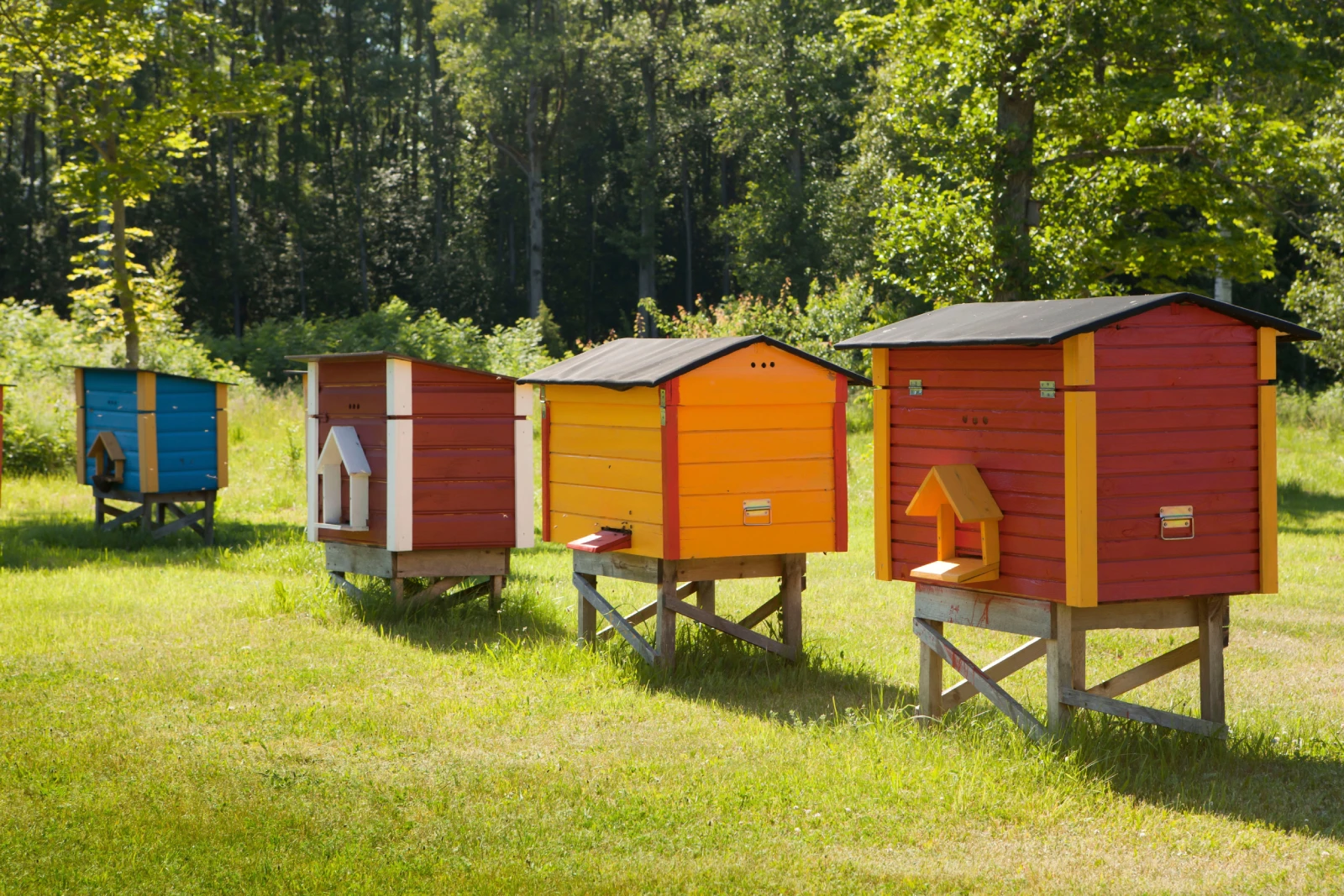
We are delighted to offer honey that is harvested using traditional beekeeping methods without the addition of any artificial ingredients or additives. Wooden beehives, commonly used in the Baltic region, help preserve the natural purity of the honey.
One of the main characteristics of natural honey is crystallization. The speed of crystallization depends on the honey variety and its natural composition. As a saturated natural product, honey naturally forms crystals over time, which is a sign of its authentic and pure honey. If honey is heated it loses this quality.

Honey varieties
There are thousands of flowering plants in the world that produce nectar, and each of them has the potential to contribute to different varieties of honey. Wildflower (polyfloral) honey is produced from the nectar of many flowering plants, and its colour and flavour vary depending on the region and the season.
According to its botanical origin, honey can be classified as monofloral or polyfloral. Monofloral honey is predominantly collected from a single type of plant, while polyfloral honey is gathered from a variety of flowering plants. Lithuania tends to offer mixed, multiflower, polyfloral honey. In monofloral honey, pollen from one plant species typically dominates the pollen spectrum. In contrast, polyfloral honey contains pollen from a wide range of plant species. Since bees collect nectar from many flowers that are blooming at the same time, completely pure honey from a single plant source is extremely rare. Producing such honey would require the apiary to be surrounded by tens or even hundreds of hectares of the same flowering crop.
Bees are not selective in their foraging and collect both nectar and honeydew from plants. These two substances are the primary natural sources used by bees to produce honey.
The flavour, colour, texture, aroma, and specific biological properties of honey depend largely on the plants from which the nectar was collected. As different flowers bloom at different times of the year, honey harvested in late summer may differ significantly in colour and flavour from honey harvested in spring.
Generally, lighter-coloured honey has a milder flavour, while darker honey tends to have a stronger taste and contains higher levels of enzymes.

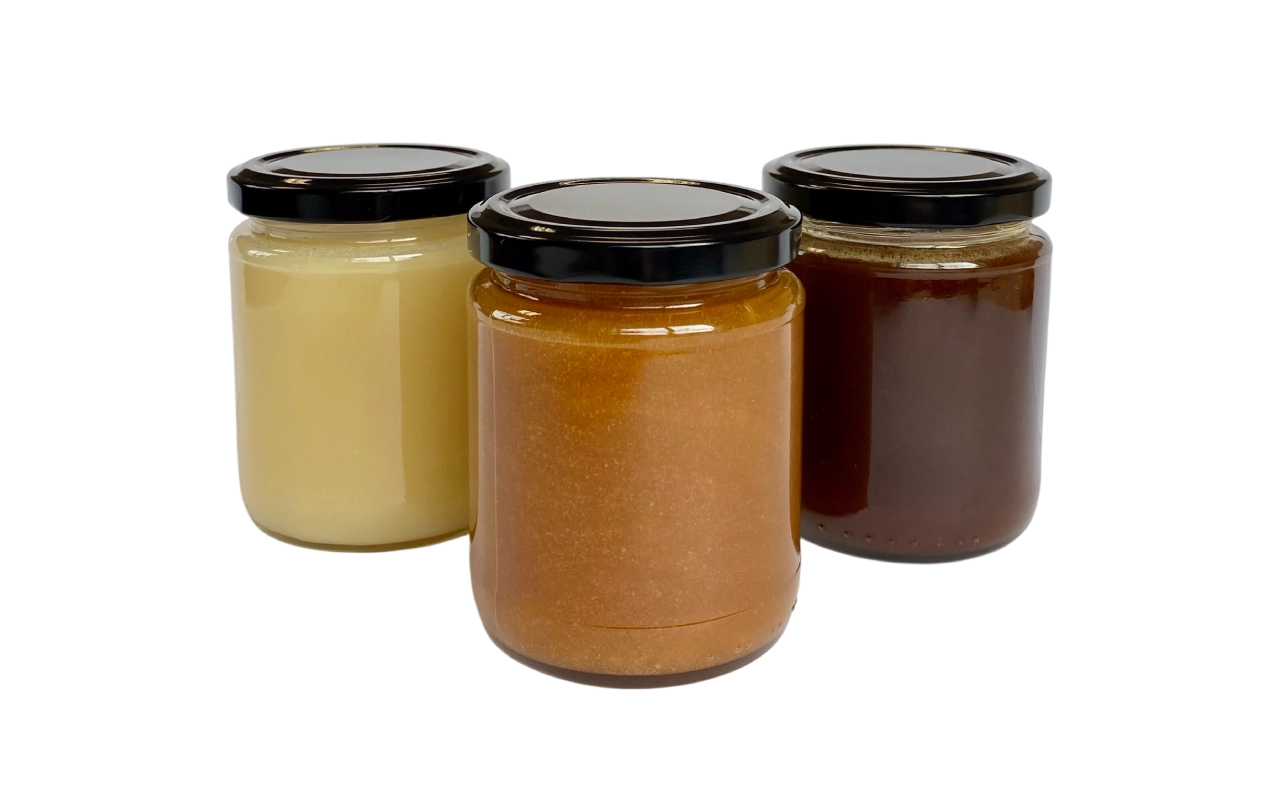
We offer a wide selection of original honey harvested in Lithuania. Our range includes both dark and light honey varieties, each distinguished by its unique flavour, colour, and natural characteristics. Customers can choose from several polyfloral honey varieties, including Light Wildflower Honey, Amber Wildflower Honey, and Forest Flower Honey. We also offer monofloral varieties such as Linden, Dandelion, Buckwheat, Clover, exceptionally rare Heather honey, as well as Forest (Honeydew) Honey.
Forest (Honeydew) Honey typically contains higher levels of minerals and amino acids, as well as higher molecular weight sugars (oligosaccharides), particularly melezitose and raffinose. Due to its relatively high fructose content and lower glucose level, this type of honey almost does not crystallize.

Much of forest honey is produced during hot summer periods when bees collect honeydew from trees, especially deciduous trees. This type of honey cannot be harvested everywhere and is found only in certain regions of Europe, including Lithuania.
There is no single honey variety that suits everyone’s taste. Most people develop their own preferences depending on flavour, aroma, colour, and the characteristics they value most in honey.
Exceptional Baltic Honey quality
Research conducted by the Lithuanian State Food and Veterinary Service (Valstybinė maisto ir veterinarijos tarnyba – VMVT) confirms that all honey sold in Lithuania is safe and complies with established regulatory requirements. Lithuanian honey, however, is widely recognised for its particularly high quality and composition, which often exceeds that of honey produced in hotter climate regions.
Lithuanian honey has a more pronounced flavour and aromatic properties, because natural conditions of the Baltic region allow bees to collect nectar from a wide variety of flowering plants. Our honey is not subjected to high-temperature processing before packaging. When honey is heated to temperatures between 55°C and 70°C, its natural composition can change, leading to a reduction in antiseptic properties and other biologically active compounds. In many cases, the quality indicators of Lithuanian honey exceed the requirements established by European Union legislation and the Honey Technical Regulation (Medaus techninis reglamentas) governing honey quality in Lithuania.
The extremely rich biodiversity of plants and the specific climatic conditions of the Baltic region also influence the biological activity of honey. In warmer southern climates, higher temperatures cause flowering plants to produce nectar more quickly, often resulting in lower mineral concentrations. In northern regions such as Lithuania, longer flowering periods allow plants to accumulate more minerals, which are reflected in the nectar collected by bees. As a result, the biological activity of our honey can reach up to 70 diastase units according to the SCHADE method, indicating a higher enzyme content compared with many processed honeys available on the EU market.
Our bee products contain a wide range of naturally occurring nutrients, including proteins (up to 30%), carbohydrates (24–34%), lipids (1.5%), and 15% amino acids. They also contain main vitamins required by the human body, including A, B1, B2, B3, B6, B12, C, PP, E, D, K and H, as well as essential macronutrients such as P, S, Cl, K, Ca and Na, and micronutrients including Mg, Fe, Cu, Zn, Co, Mo, Se, Cr, Ni and Si.
Product quality is ensured through continuous and comprehensive laboratory testing conducted by specialised laboratories in Lithuania and Germany, including NMVRVI (National Institute for Food and Veterinary Risk Assessment), Eurofins (Eurofins Food Integrity Control Services GmbH), QSI (Quality Services International GmbH), and Intertek (Intertek Food Services GmbH). Each batch of honey supplied to our customers undergoes laboratory analysis for key quality parameters, including colour, moisture content, HMF, pH, electrical conductivity, antibiotics, diastase activity, acidity, pollen profile and other detailed indicators of honey quality.
Our wholesale and retail honey typers are available in several packaging formats, including 320 g, 620 g, and 1000 g glass jars, as well as 20-litre (28 kg) plastic buckets and metal barrels up to 200 litres (290 kg) for bulk supply.
Why is honey so beneficial?
Honey is a natural product with a wide range of bioactive properties. Studies indicate that honey has antibacterial, antiviral, antimicrobial, antifungal, anti-inflammatory and antioxidant effects. It also acts as a probiotic and prebiotic, supporting digestive health. Different types of honey have specific effects depending on their floral source:


- Organic. We offer both regular honey and honey harvested in organic farms.
- 100% Natural & Pure – Contains all beneficial components, including enzymes, vitamins, micronutrients and antioxidants.
- A natural sweetener and food supplement with excellent taste, aroma, colour and typical composition of Baltic honey.
- Our honey is not processed thermally, chemically or by irradiation. It is unfiltered – naturally contains pollen and propolis.
- Free of chemical and microbiological contamination, i.e., free of toxins, heavy metals, pesticides. Collected in a clean, natural environment.
- GMO-free. Cultivation of GMO crops is prohibited in Lithuania.
Storage and Properties of Honey
We recommend storing honey in a sealed container at room temperature, protected from direct sunlight. The packaging indicates a best-before date. However, honey can remain unspoiled for very long periods if stored properly. This is due to its properties and low moisture content, in which natural sugars are dissolved.
Honey does not need to be refrigerated after opening, but it should be protected from water and other food contamination. Honey containers should not be left open for extended periods, as honey is hygroscopic and can absorb moisture from the air as well as foreign odours from nearby products.
One teaspoon of honey contains approximately 64 calories and 17.2 grams of natural sugars, with no fibre, fat or protein. Honey has an average pH of around 3.9. Studies indicate that this pH can help prevent bacterial growth.
It should be noted that the exact physical and chemical characteristics of honey depend on the floral sources from which the nectar was collected.
Honey is not a medicine. It is a natural food product and dietary supplement, valued as a natural source of energy.
Frequently asked questions
Lorem ipsum dolor sit amet, consectetur adipiscing elit. Praesent ligula tellus, pharetra quis justo auctor, rhoncus tempus augue. Aliquam eget augue orci. Phasellus aliquet sed nisi eu malesuada.
Honey is one of the world’s oldest natural sweeteners, valued for thousands of years for its nutritional and beneficial properties. Unlike refined sugar, honey is a natural product that contains enzymes, antioxidants, vitamins, and minerals that support the human body.
Honey is produced by bees from the nectar of flowering plants and plant secretions. Through a natural process involving enzymatic activity, digestion, and evaporation, bees transform nectar into thick, nutrient-rich, antioxidant honey, which is then stored in the hive.
Baltic honey is produced in a clean and biologically rich environment with forests, wild meadows and diverse flowering plants. The northern climate allows plants to bloom longer, resulting in honey with richer composition, stronger flavour and higher biological activity compared to honey from warmer regions.
Yes, our honey is 100% natural. It is not thermally processed, chemically treated, or irradiated. It is GMO-free, unfiltered and may naturally contain pollen and propolis, preserving all its beneficial components.
Crystallization is a natural process and a sign of authentic, raw, unprocessed honey. The speed of crystallization depends on the honey variety and its natural composition, particularly the ratio of glucose to fructose.
Monofloral honey is mainly derived from one plant species, while polyfloral honey comes from a variety of flowering plants. In practice, completely pure monofloral honey is rare, as bees naturally collect nectar from multiple plants.
Colour does not determine quality but reflects the floral source. Lighter honey usually has a milder taste, while darker honey tends to have a stronger flavour, aroma and often contains higher levels of enzymes and minerals.
Yes, every batch of honey is tested in specialised laboratories, including NMVRVI, Eurofins, QSI, and Intertek. Testing includes parameters such as moisture content, HMF, pH, diastase activity, pollen profile, and absence of contaminants.
Honey contains naturally occurring enzymes, antioxidants, vitamins and minerals. It is known for its antibacterial, antioxidant and anti-inflammatory properties and can support digestion, immunity and overall well-being.
Forest (Honeydew) honey is produced when bees collect honeydew from trees rather than flower nectar. It is rich in minerals, amino acids and oligosaccharides, typically crystallizes more slowly due to its higher fructose content.
Honey should be stored in a sealed container at room temperature, away from direct sunlight. It does not require refrigeration but should be protected from moisture and strong odours due to its hygroscopic nature.